

FIDLOCK GmbH
Kirchhorster Str. 39
30659 Hannover
Information
FIDLOCK Consumer Products


Stay up to date with our
newsletter to learn all about
mag(net)ic & innovative
closures for your products!
Important Information!
We are currently aware of fraud attempts in which unknown individuals are impersonating FIDLOCK via email or text message.
Please check suspicious messages carefully, especially if the sender's email address closely resembles our domain but contains slight variations.
Please also note that FIDLOCK will never conduct recruitment via messaging services.
If you receive any suspicious communication, please contact us at info@fidlock.com or use the contact details on our website.
Thank you for staying vigilant!
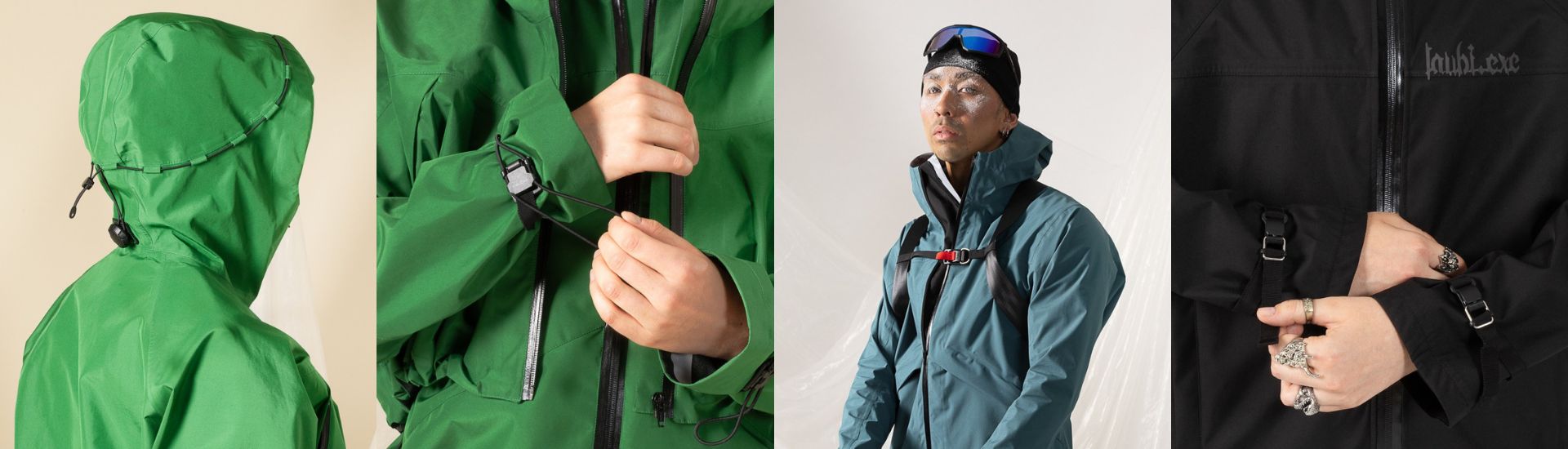
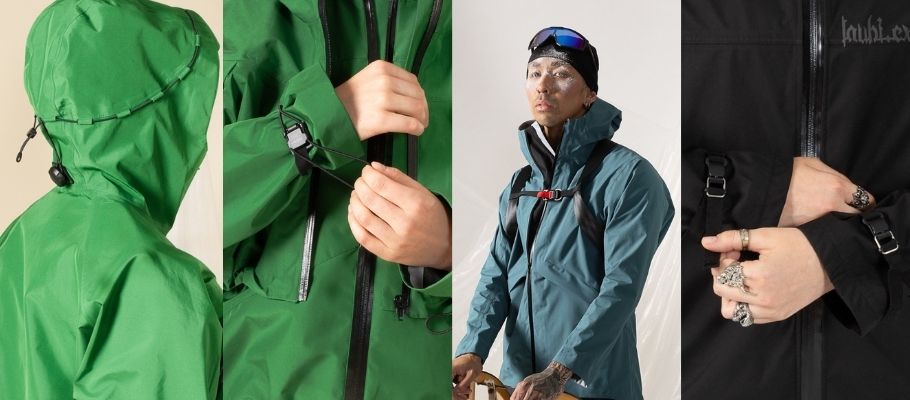
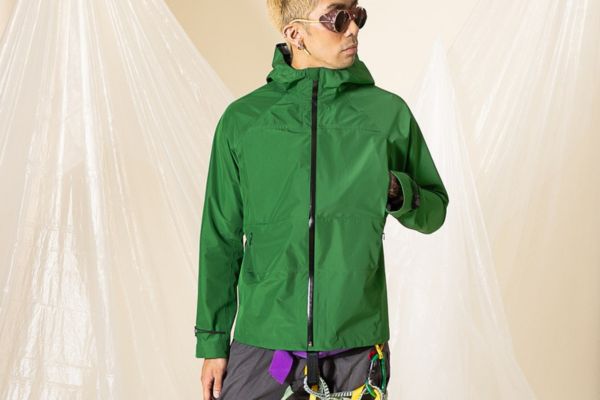
How can lightness, freedom of movement and functionality be combined in a single garment? This was the question explored by ten students from the Pattern Cutting and Design School at the Master School of Fashion in Munich. As part of the project “Designing Lightness – Function, Movement and Sustainability”, they developed individual outdoor jackets for different sports. Alongside Sympatex’s recyclable 3-layer membrane, various FIDLOCK fasteners were used, integrating seamlessly into the functional concepts of the jackets.
The Pattern Cutting and Design School is a one-year advanced programme for professionals with a background in fashion. It combines creative design with pattern construction, material knowledge and technical manufacturing. The project gave the students an opportunity to apply this knowledge in practice and develop their own solutions for the requirements of functional outdoor clothing.
The task was to design an outdoor jacket for a specific sport and defined use scenario. Lightness was not only considered in terms of weight, but also freedom of movement, functionality and the conscious use of materials.
The results demonstrate how differently these requirements can be interpreted. Sophie Fritz developed a versatile layering system consisting of a jacket and vest for “Bike & Hike”. Julia Türschmann integrated a towing harness into her sledding design, allowing the sled to be pulled hands-free during uphill sections. Laura Benning translated influences from skate and streetwear into a functional jacket with a loose fit and reflective details. For big-wall climbing, Maren Michelberger incorporated an adjustable waist feature.
For the supervising teacher, one of the most rewarding aspects of the project was the diversity of the results: “Although all the designs started from the shared theme of lightness, ten very individual solutions emerged.”
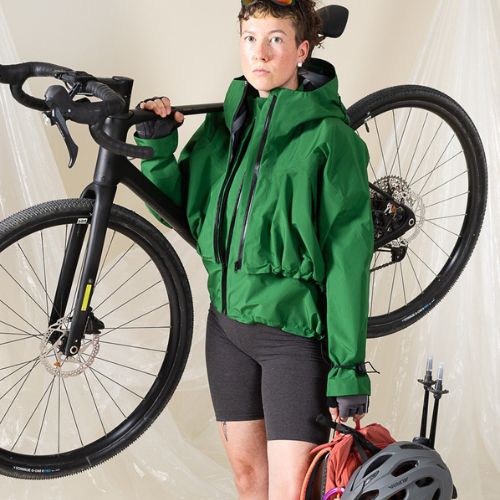
Before manufacturing the jackets, the students analysed existing functional clothing and developed their own concepts based on their findings. Mood boards, sketches and an in-depth exploration of material properties formed the foundation for the subsequent pattern construction.
One particular challenge was the technical implementation. Working with laminated fabrics, taping seams and integrating functional details required precision and a thorough understanding of how the individual components interact.
The teacher describes the project's ambition as follows: “From the very beginning, our aim was for the jackets to not only look like functional clothing, but to actually work.”
Seam taping in particular required pattern construction and manufacturing to be carefully coordinated. Many solutions were therefore tested in practice, adapted and further developed.
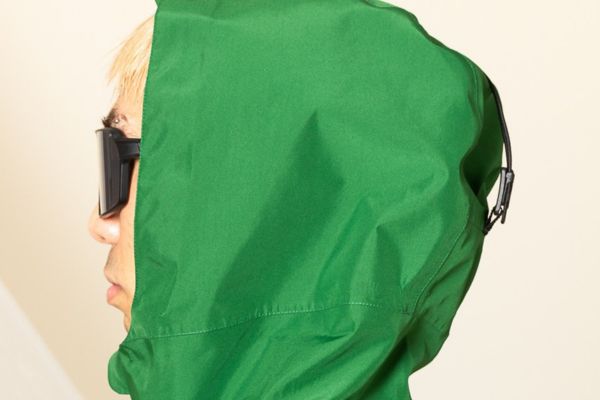
The school was introduced to FIDLOCK through its cooperation partner Sympatex, who established the initial contact. The FIDLOCK team subsequently supported the students in selecting suitable fasteners and integrating them into their jacket concepts.
The students were particularly impressed by the intuitive operation of the fasteners. For outdoor activities, components need to be easy to operate even under challenging conditions, for example when wearing gloves. At the same time, they should integrate naturally into the garment's construction.
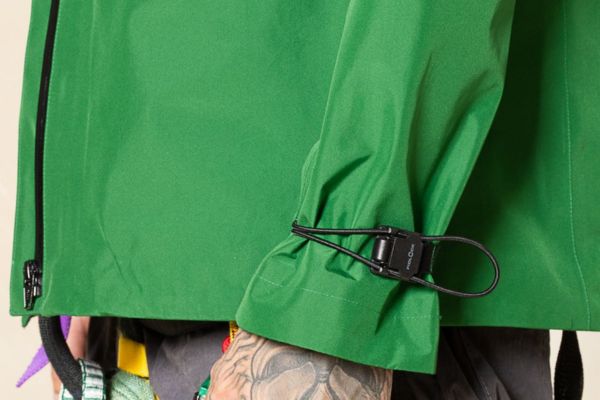
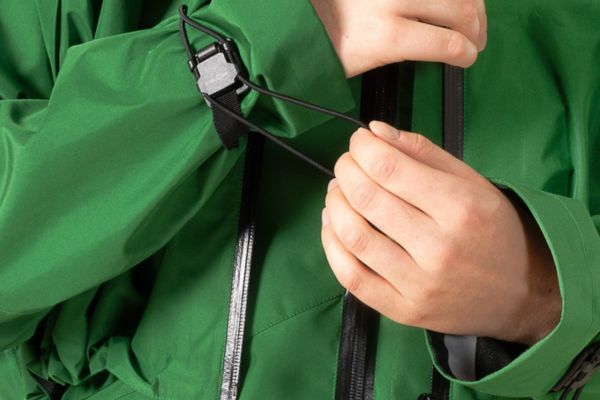
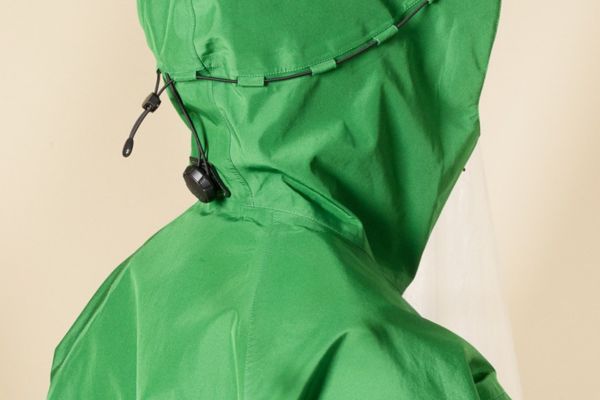
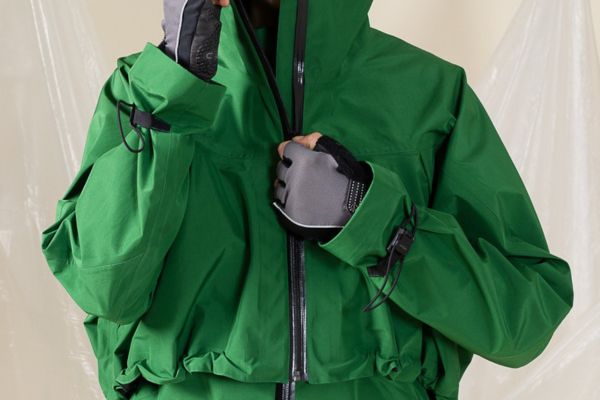
Different solutions were used depending on the application. In the sledding project, the HOOK 20 helmet buckle is used to fasten the integrated towing harness across the chest. In the “Bike & Hike” and “Big Wall Climbing” designs, HOOK 20 rope fasteners with rubber loops allow the sleeve width to be adjusted. The WINCH compact was used to adjust the hood.
The fasteners therefore fulfil more than just a functional role. They become part of the garment's construction, with their integration considered from the early development stages and aligned with the overall design.
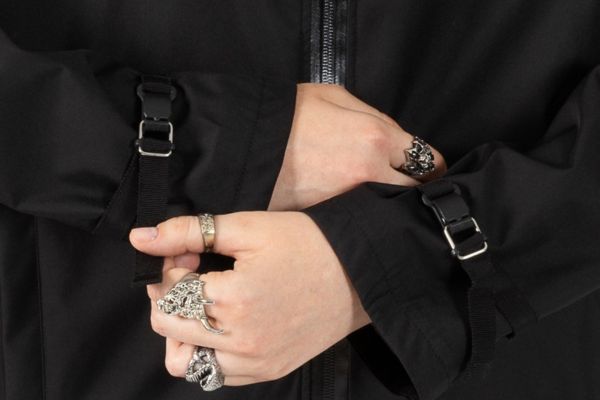
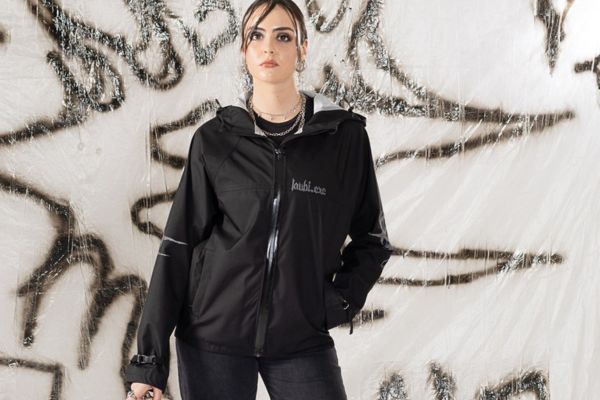
The project demonstrates how closely design, pattern construction, materials and functionality are connected in technical clothing. An idea must not only be visually convincing, but also prove itself during manufacturing and in actual use.
For the students, this meant questioning their own concepts, testing technical solutions and making decisions based on specific requirements. At the same time, the project highlighted just how many different interpretations can emerge from a shared theme.
For FIDLOCK, “Designing Lightness” is a great example of how fastener solutions can support individual textile concepts, from adjusting sleeves and hoods to fastening an integrated towing harness.
Don't miss any exciting news and innovations from the world of FIDLOCK! Sign up for our newsletter and receive exclusive updates, new products and tips straight into your inbox.
FIDLOCK GmbH
Kirchhorster Str. 39
30659 Hannover